
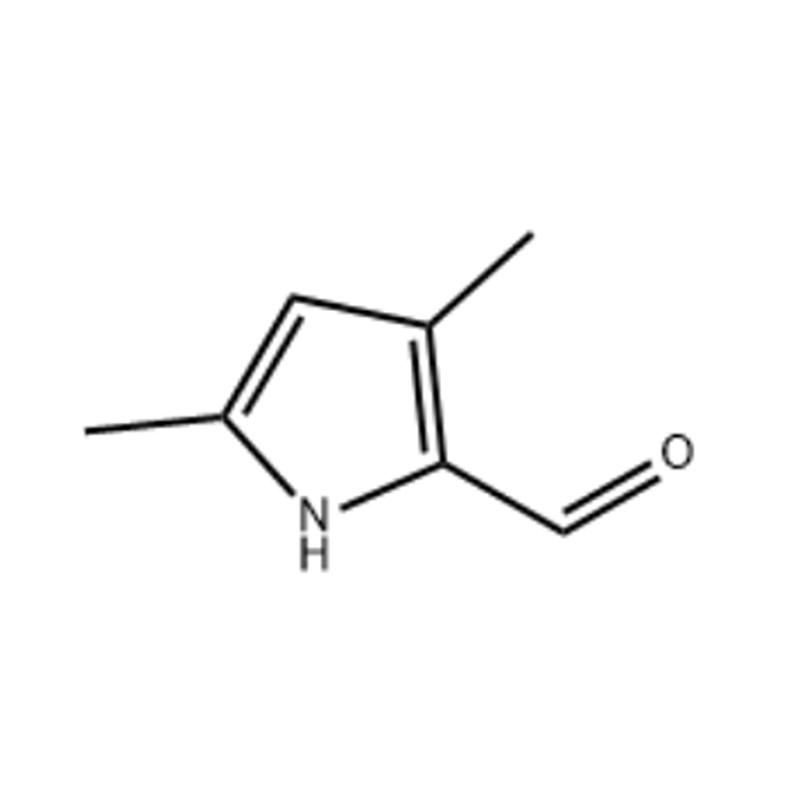
JDK, a leading chemical company with a strong focus on the development of pharmaceutical intermediates and basic chemicals, has recently made a significant breakthrough in the field of pharmaceutical research. The company's dedicated team of specialized and interdisciplinary technical talents has successfully developed a new compound, 2.3.5-Trimethyl-4-nitropyridine-N-oxide, which has shown great promise as a key pharmaceutical intermediate.
With a commitment to innovation and excellence, JDK has been at the forefront of the chemical industry for many years. The company's state-of-the-art research and development facilities, combined with its focus on collaboration and partnership, have enabled the discovery and development of this groundbreaking compound. 2.3.5-Trimethyl-4-nitropyridine-N-oxide has the potential to revolutionize the pharmaceutical industry and open up new possibilities for the treatment of various medical conditions.
Pharmaceutical intermediates play a crucial role in the development of new drugs and treatments. These chemical compounds serve as building blocks in the synthesis of active pharmaceutical ingredients, allowing researchers and pharmaceutical companies to create new and improved medications. The discovery of 2.3.5-Trimethyl-4-nitropyridine-N-oxide represents a significant advancement in this field, offering a promising new option for the development of novel pharmaceutical products.
The development of 2.3.5-Trimethyl-4-nitropyridine-N-oxide is a testament to JDK's commitment to excellence and its dedication to advancing the field of pharmaceutical research. The company's team of experts, including chemists, pharmacists, and chemical engineers, worked tirelessly to explore and identify this new compound, leveraging their diverse skills and expertise to bring this innovative pharmaceutical intermediate to fruition.
JDK's success in developing 2.3.5-Trimethyl-4-nitropyridine-N-oxide is a result of its investment in cutting-edge research and development capabilities. The company's state-of-the-art laboratories and advanced equipment have provided the necessary resources for its team to conduct thorough analysis and testing, ensuring the safety, efficacy, and quality of the new compound. Furthermore, JDK's commitment to adhering to strict industry standards and regulations has been paramount in the development process, ensuring that 2.3.5-Trimethyl-4-nitropyridine-N-oxide meets the highest levels of quality and safety.
The potential applications of 2.3.5-Trimethyl-4-nitropyridine-N-oxide in the pharmaceutical industry are far-reaching. This compound has shown promise in the treatment of various medical conditions, and its development represents a significant step forward in the quest for new and improved medications. By providing a new and effective pharmaceutical intermediate, JDK has demonstrated its commitment to advancing healthcare and improving the lives of patients around the world.
As JDK continues to push the boundaries of pharmaceutical research and innovation, the development of 2.3.5-Trimethyl-4-nitropyridine-N-oxide stands as a testament to the company's expertise and dedication. With a focus on collaboration, partnership, and excellence, JDK is poised to drive further advancements in the pharmaceutical industry, offering new possibilities for the development of innovative medications and treatments.
In conclusion, the development of 2.3.5-Trimethyl-4-nitropyridine-N-oxide represents a significant milestone in the field of pharmaceutical research, and JDK's success in bringing this compound to light underscores its position as a leader in the chemical industry. With its dedicated team of technical talents and its commitment to excellence, JDK continues to pave the way for new advancements in pharmaceutical intermediates and basic chemicals, offering hope for the future of healthcare and medical treatment.